


C&F Salon Talk: How U.S. Buyers Choose Suppliers — Tariffs, Landed Cost and Flexibility
2026.11.20


Opening Gemini in 3 seconds...
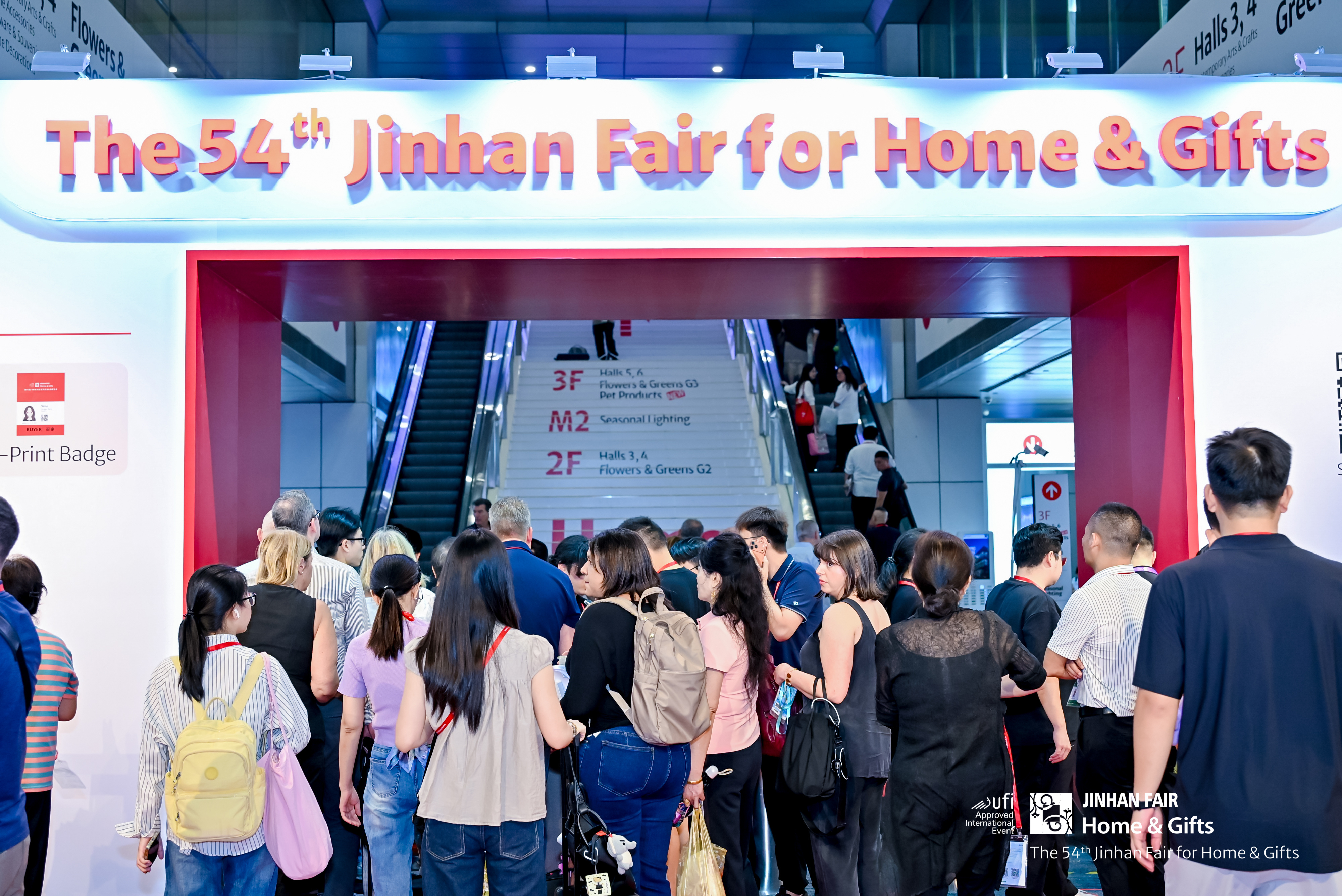
The 54th Jinhan Fair for Home & Gifts (JINHAN FAIR) took place on October 21–27, 2026, at PWTC Expo in Guangzhou, China.
During the fair, JINHAN FAIR hosted a Salon Talk titled “The New Logic of Sourcing in the U.S. Market,” featuring Stephanie Glaessgen, Senior Vice President of Business Operations at C&F Enterprises, Inc.
With more than three decades of experience at C&F, Stephanie has held various roles across sales, customer management, procurement, and business operations. Stephanie brought rich industry expertise to the discussion, sharing her insights into evolving purchasing patterns in the U.S. market, China’s manufacturing strengths, supplier selection criteria, and the factors that contribute to successful long-term partnerships. Her insights offered practical guidance for Chinese suppliers looking to work with U.S. buyers.
Understanding U.S. Buying Patterns: The Growing Need for Flexibility
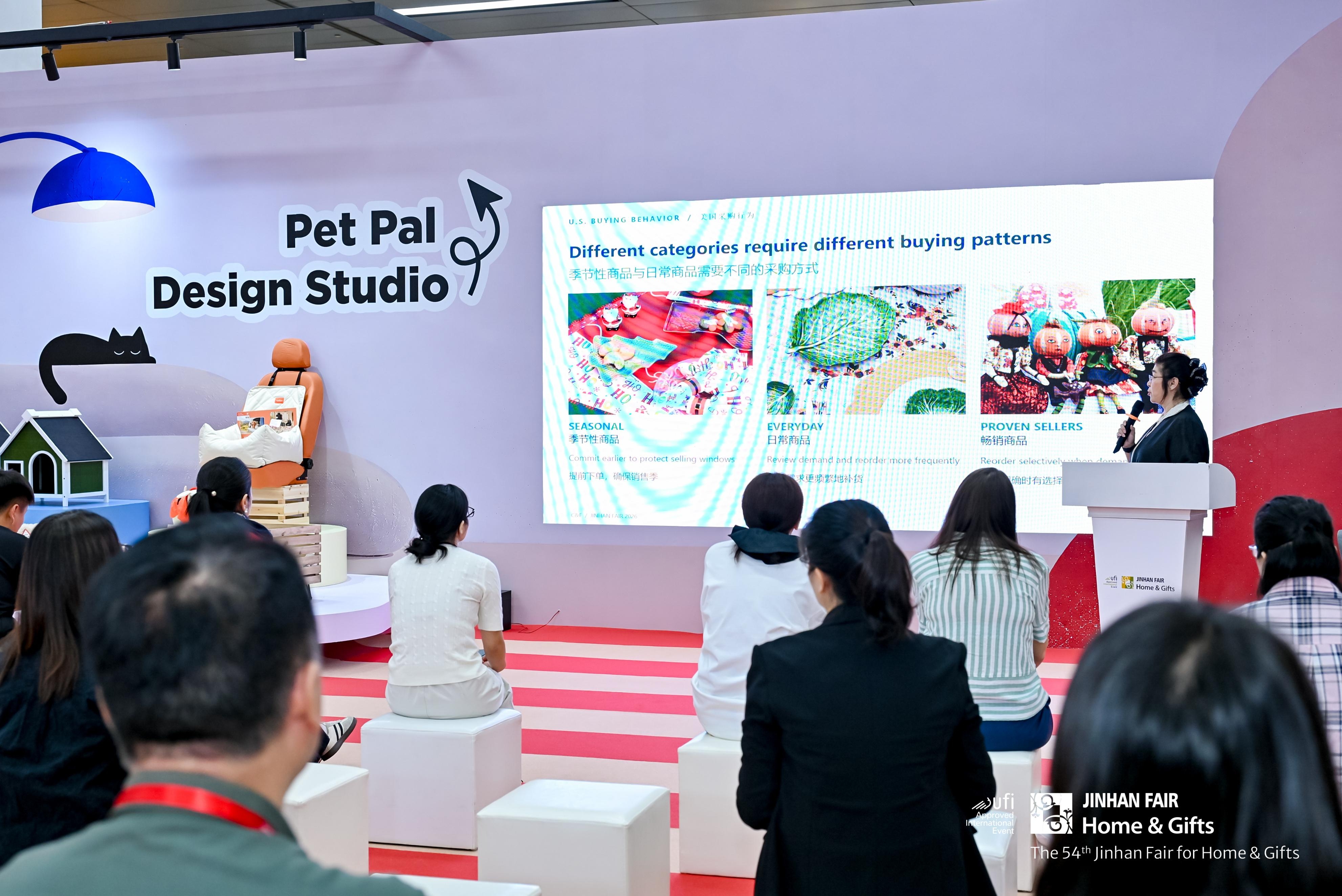
Purchasing strategies vary by product category. Seasonal products generally need to be ordered well in advance of key selling periods, while everyday items require more frequent reviews of demand and stock levels. For best-selling products, buyers may place additional orders when demand justifies replenishment. This makes flexibility in order quantities, production schedules and shipping arrangements increasingly important.
At C&F, seasonal products are usually planned well in advance. Based on the current year's sales, the company may place orders for popular Christmas, Halloween or autumn items in September or October for the following year. This gives suppliers the opportunity to use their available capacity during slower periods and allows both sides to plan production and arrange shipments in batches.
Minimum order quantities (MOQs) can also be negotiated. By discussing order volumes, product combinations and production schedules, buyers and suppliers can find arrangements that better meet their respective needs while making efficient use of production capacity.


Beyond Factory Prices: Landed Cost, Tariffs and China's Manufacturing Strengths
When discussing China’s manufacturing strengths, Stephanie highlighted three key areas: manufacturing depth, product development capabilities, and execution across different product categories. Extensive component availability, diverse materials and production techniques, and fast sampling enable Chinese suppliers to offer a wide range of solutions for different product requirements.
However, factory prices are only one part of the purchasing decision. Buyers also need to consider the total landed cost, taking into account the FOB price, production efficiency, duties, tariffs, freight and other import-related expenses, as well as risks associated with product quality, lead times and delivery reliability.
Product classification can also affect the duties applied to imported goods. Suppliers should therefore provide accurate product specifications and supporting documents, and help buyers verify the information required for import declarations. When sourcing from Chinese manufacturers, clear quotations, accurate product details and reliable delivery schedules are what buyers need to assess potential suppliers and sourcing costs.
What Buyers Look for in Suppliers: Quality, Capability, Reliability and Flexibility
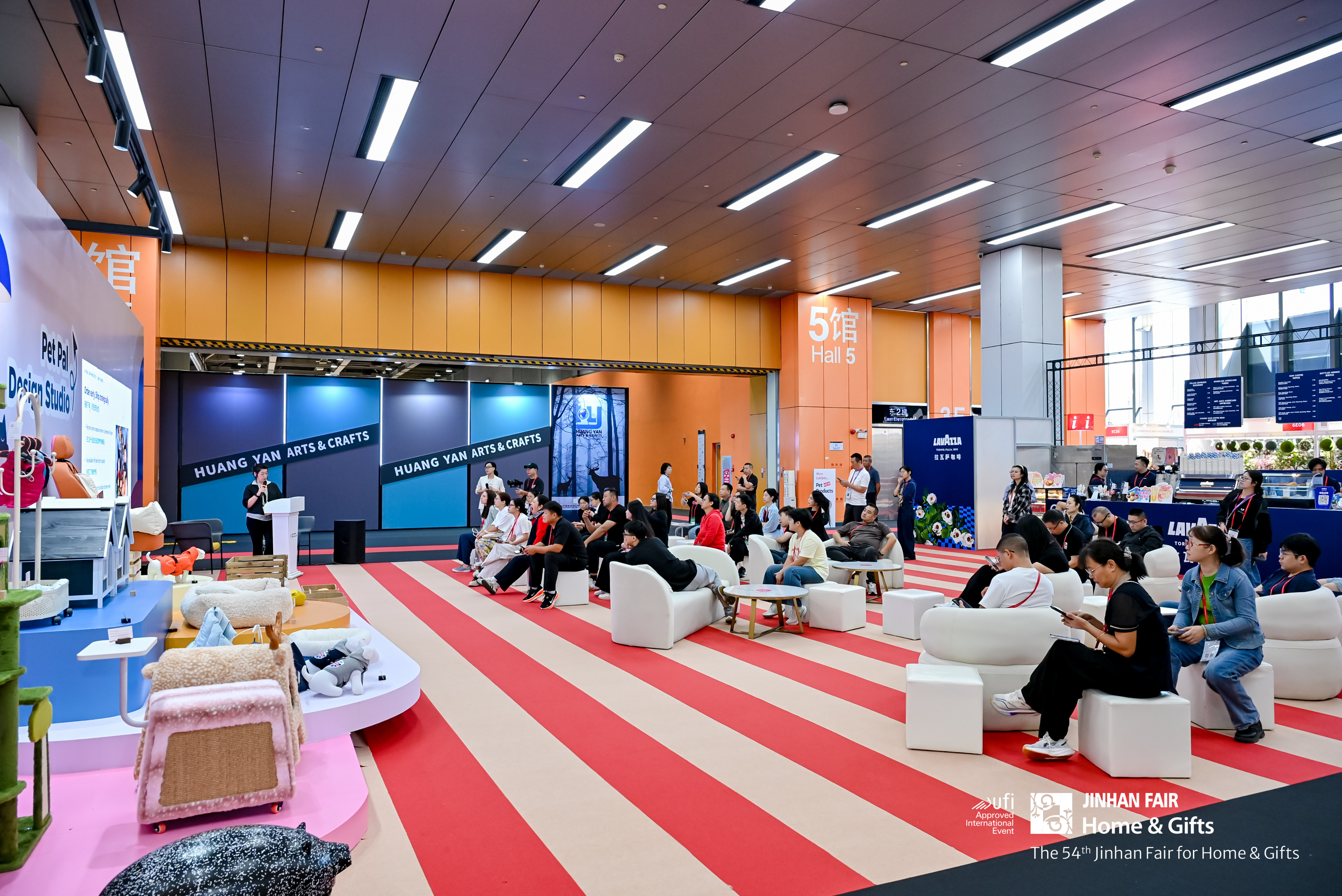
Stephanie outlined four key factors buyers consider when selecting suppliers: quality, capability, reliability and flexibility.
Quality: Strong workmanship and consistent standards across production batches.
Capability: Equipment, product development expertise and production capacity to meet order requirements.
Reliability: Realistic lead times and the ability to deliver as promised.
Flexibility: A willingness to discuss MOQs, adjust order arrangements and respond to unexpected issues.
Building Long-Term Partnerships: Problem-Solving, Trust and "Quality, Honesty, Flexibility
When asked what buyers look for at a fair, Stephanie highlighted originality, product range and commercial appeal. Distinctive designs can catch buyers' attention, while a broad and well-coordinated product range gives them more options when planning their assortments and orders. Product quality, pricing and appeal to the target market are also important considerations.
The ability to solve problems effectively is essential to building long-term partnerships. When an issue arises, suppliers should explain the situation clearly, outline its potential impact on timelines, costs and quality, and suggest practical next steps. Open communication, prompt responses and a willingness to take responsibility help build trust between buyers and suppliers.
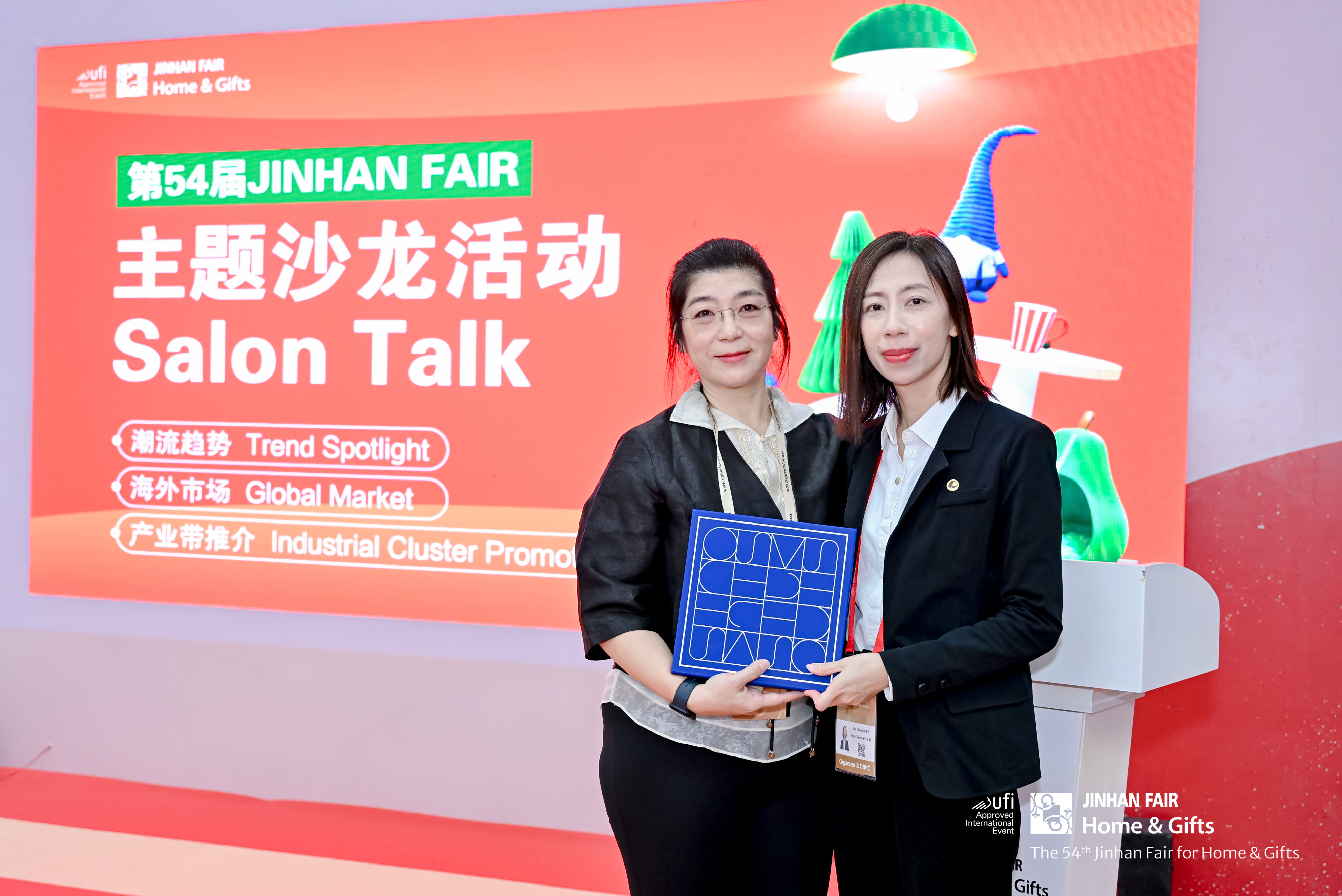
At the end of the session, Stephanie summarized the foundations of lasting cooperation in three words: Quality, Honesty and Flexibility. In her view, sourcing is about more than purchasing products; it is about building businesses together.
Join Us at the 55th JINHAN FAIR
JINHAN FAIR will continue to connect global buyers with Chinese manufacturers through product showcases, Salon Talks and other activities that support business exchange and cooperation.
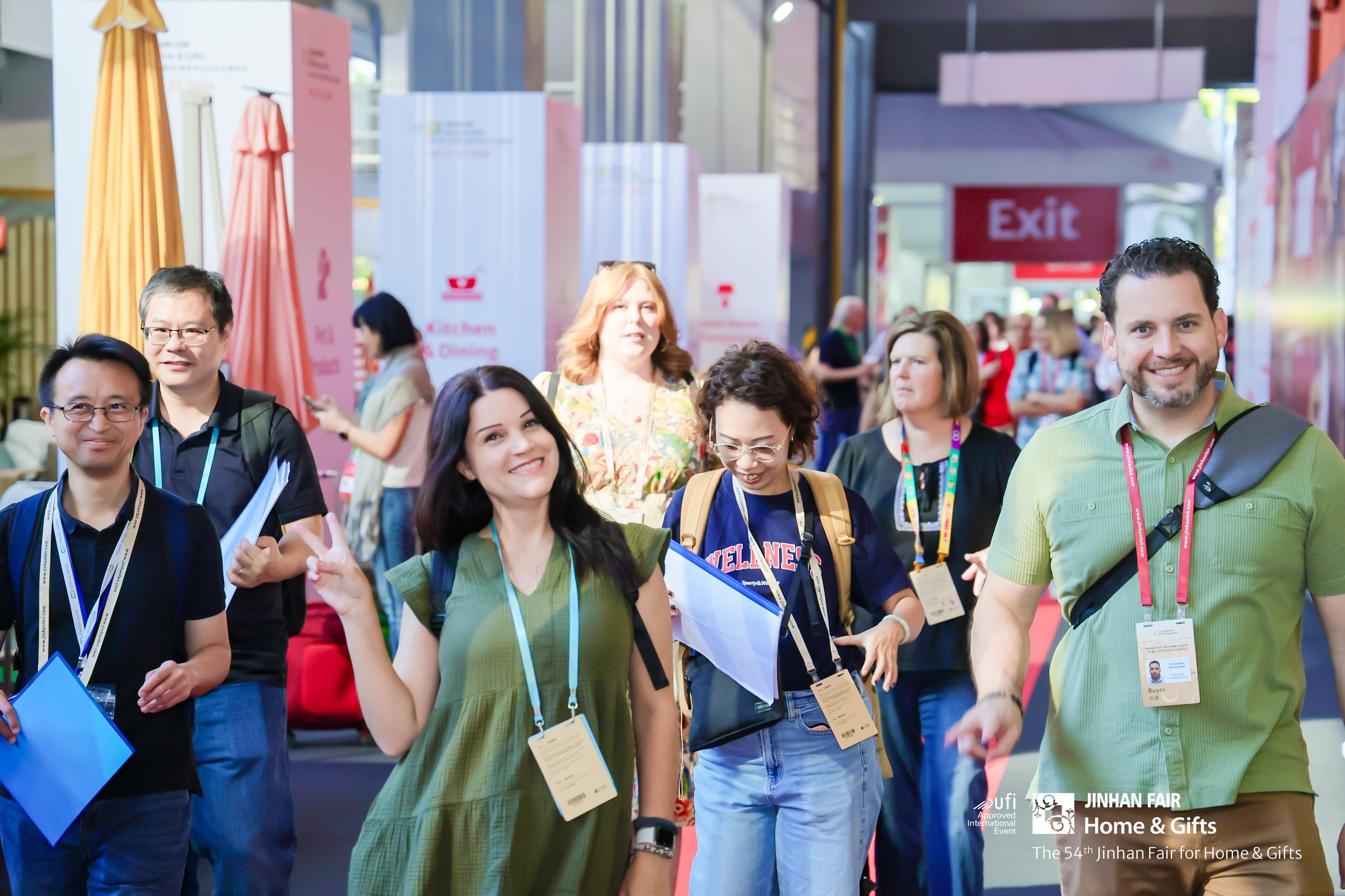
The 55th JINHAN FAIR will take place from April 21 to 27, 2027, at PWTC Expo in Guangzhou, China. We look forward to welcoming you back to discover more products and sourcing opportunities across the home and gift industries.
About JINHAN FAIR
JINHAN FAIR for Home & Gifts(Poly Spring/Autumn Fair Phase Ⅱ) is a leading international trade platform organized by Poly Exhibition. Established in 2000, JINHAN FAIR has been successfully held for 54 editions and is recognized as one of China's most established sourcing fairs for the home and gifts industry. JINHAN FAIR is also the only Union of international Fairs-approved export trade fair in the home & gifts sector in China.

The 55th Jinhan Fair
Jinhan Fair Online Exhibition

Recommended
-
 New Products, New Markets: Product Innovation Highlights from the 54th JINHAN FAIR
-
 Buyer Attendance Up 20: What Global Buyers Valued at the 54th JINHAN FAIR
-
 Bringing Global Buyers and Suppliers Together, Creating New Trade Opportunities | The 54th JINHAN FAIR Concluded Successfully


 Visitor Registration
 Booth Application