


Sourcing Home, Gift & Garden Products from China: Online Platforms vs. Trade Shows
2026.08.18


Opening Gemini in 3 seconds...
For global buyers of gifts & decor and garden & outdoor living products, China remains a major sourcing and manufacturing hub. Yet with thousands of potential suppliers, identifying and verifying the right partners can be challenging. Should buyers rely on online B2B platforms, or attend trade shows in China?
Online platforms offer broad supplier access and efficient market research, while sourcing fairs allow buyers to evaluate products firsthand, compare suppliers, and discuss requirements face to face. This article compares both channels across five key sourcing considerations and explores how combining online research with onsite verification can strengthen the sourcing process.
💡Online Platforms vs. Trade Shows
1. Product Verification & Physical Evaluation
•Online B2B Platforms: Buyers can efficiently browse and compare a wide range of products using images, videos, specifications, and supplier profiles, making online platforms well suited to initial screening. However, texture, color accuracy, surface finish, weight, and workmanship can be difficult to judge remotely, as photos and videos do not always capture how a product looks and feels in person.
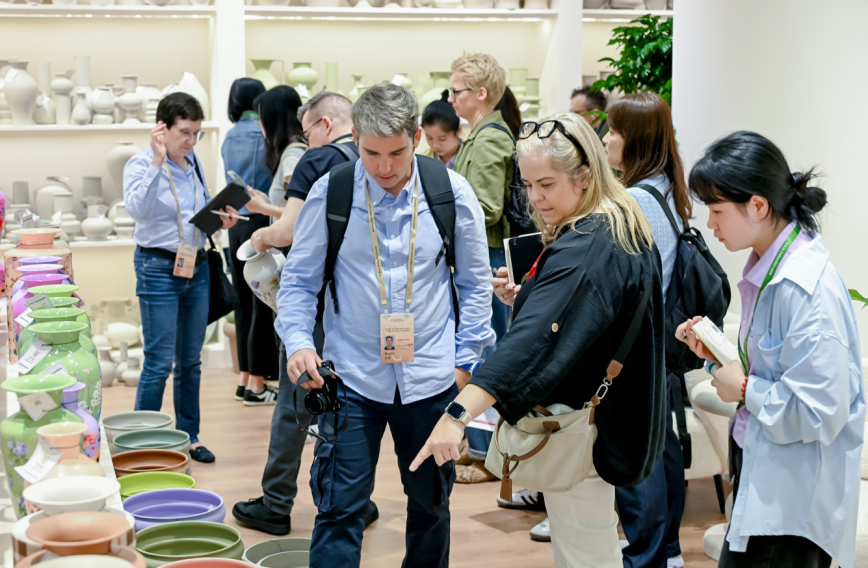
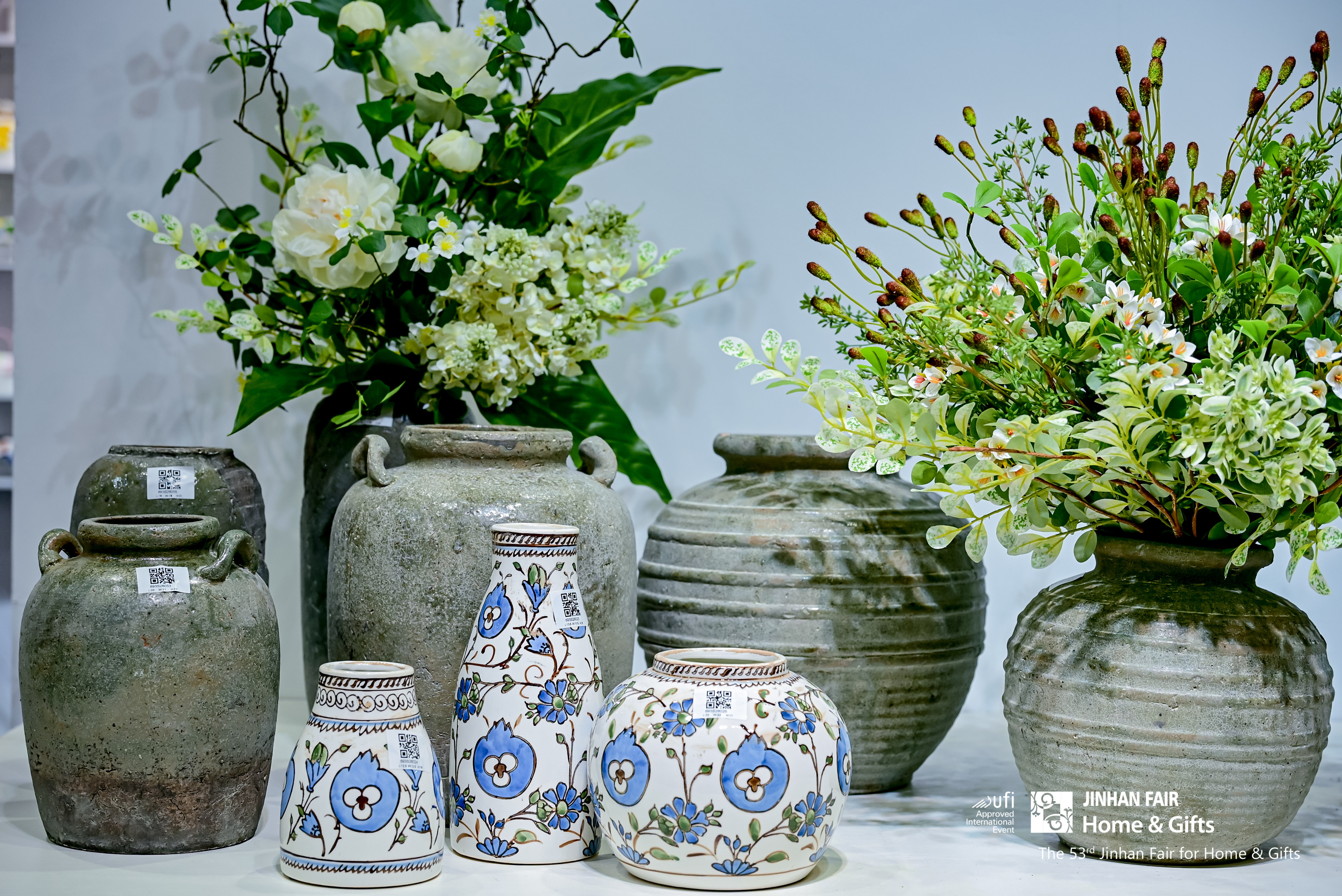
•Trade Shows: At trade shows in China, buyers can handle fabrics, inspect ceramic glazes, compare finishes, and examine craftsmanship firsthand, gaining a clearer basis for product evaluation before moving forward.
2. Negotiation & Customization (OEM/ODM)
•Online B2B Platforms: Complex OEM/ODM projects often involve several interconnected factors, including materials, dimensions, packaging, MOQ, tooling, and pricing. Clarifying each requirement through email or messaging may take multiple rounds of communication, while time-zone differences can slow communication and limit real-time interaction.
•Trade Shows: At professional sourcing fairs, buyers can review samples, drawings, and specifications directly with suppliers, so technical feasibility, cost implications, and customization options can be discussed together.
3. Supplier Discovery & Comparison
•Online B2B Platforms: Large supplier databases give buyers broad access across regions, product categories, and price points. They are particularly useful for market mapping and building an initial pool of potential partners.
•Trade Shows: Specialized trade shows in China bring suppliers from related categories together in one venue. Buyers can compare product ranges, development capabilities, price levels, and commercial terms side by side, helping narrow an initial longlist to a smaller group for further assessment. For shortlisted suppliers, buyers can then arrange factory visits or audits to review production facilities, verify relevant certifications and credentials, and assess manufacturing processes and capabilities before making final sourcing decisions.
4. Sampling & Quality Assessment
•Online B2B Platforms: Remote sourcing often requires samples to be requested separately from multiple suppliers, adding international courier costs and waiting time. When many products or vendors are under consideration, collecting and comparing samples can also lengthen the overall evaluation cycle.
•Trade Shows: At international trade fairs, buyers can review and compare products from multiple suppliers. In some cases, they may also be able to collect samples directly at the fair, saving time and international courier costs. This helps buyers focus their next steps on the most promising suppliers and products. Final quality approval should still be based on approved samples, inspections, and standard quality-control procedures.
5. Supplier Fit & Long-Term Cooperation
•Online B2B Platforms: Digital channels are well suited to quotations, order management, product development, and routine supplier communication. When assessing a new partner, however, remote interaction may reveal less about the team’s working style, responsiveness, and approach to collaboration.
•Trade Shows: Face-to-face meetings give buyers a closer view of how suppliers answer product questions, handle development requests, and respond to specific sourcing requirements. This helps buyers assess whether the supplier is a good fit in terms of communication, technical capability, and ways of working before entering a longer-term relationship.
💡A Practical Sourcing Strategy
In cross-border sourcing, buyers do not need to choose exclusively between online channels and trade shows. A hybrid sourcing strategy—combining online screening, onsite verification, and post-show digital follow-up—allows buyers to use each channel at the stage where it is most effective.
1. Pre-Fair: Online Research & Initial Screening
•Market & Product Research: Use online B2B platforms and digital exhibitor directories to review current designs, materials, product trends, and price ranges across gifts & decor and garden & outdoor living categories, and define an initial sourcing brief.
•Supplier Pre-Screening: Evaluate potential suppliers based on product specialization, export experience, relevant certifications, manufacturing capabilities, and MOQ requirements. Build a shortlist and schedule meetings before attending China trade shows.
2. At the Fair: Onsite Verification & Direct Discussions
•Targeted Supplier Evaluation: At sourcing fairs, prioritize shortlisted suppliers. Compare physical products with online information, inspect materials, finishes, workmanship, and structural details, and assess the supplier team’s responsiveness and product knowledge.
•Technical & Commercial Discussions: For projects involving OEM/ODM customization or new tooling, review specifications directly with suppliers’ technical and sales teams. Discuss production feasibility, lead times, packaging requirements, MOQ, and commercial terms in person.
•New Product Discovery: In addition to scheduled meetings, attending specialized trade shows in China gives buyers exposure to materials, techniques, designs, and product categories they may not have identified through keyword-based online searches.
3. Post-Fair: Digital Follow-Up & Execution
•Sample Approval & Supplier Due Diligence: After the fair, request formal samples from shortlisted suppliers and complete the required sample approval process. Where necessary, arrange factory audits, third-party inspections, or other quality assurance procedures before mass production.
•Ongoing Digital Collaboration: Once the supplier and commercial terms are confirmed, use digital channels for production tracking, quality management, shipment coordination, product revisions, repeat orders, and ongoing supplier communication.
💡JINHAN FAIR
1.JINHAN FAIR Onsite
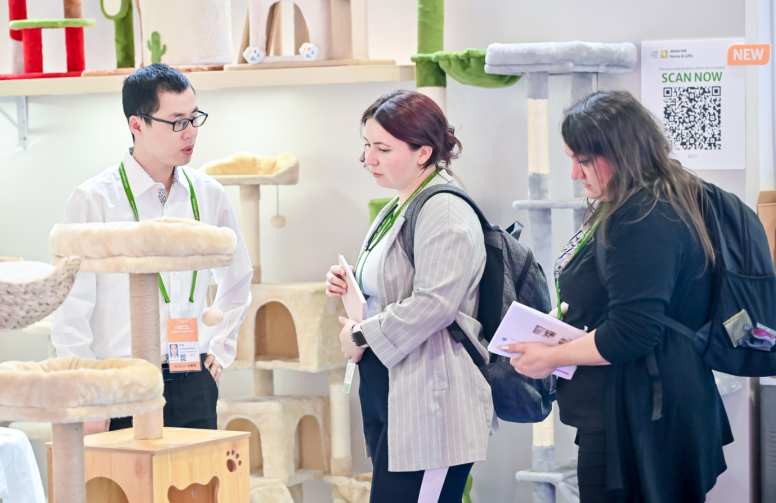
Established in 2000, JINHAN FAIR for Home & Gifts has served the home and gift export sector for 26 years, with 53 editions held to date. The fair is the only UFI-approved export-oriented trade fair in China’s home and gift sector.
JINHAN FAIR has welcomed more than 200,000 trade buyers from over 170 countries and regions, including importers, wholesalers, retailers, brands, sourcing companies, and buying offices. International buyers have included Hobby Lobby, Home Centre, Walmart, Target, IKEA, and Lowe’s.
Held twice a year in Guangzhou, JINHAN FAIR spans 90,000 square meters, bringing together more than 1,200 Chinese manufacturers and showcasing over 300,000 products per edition. Buyers can compare products and suppliers across multiple categories within a single sourcing trip. The fair covers ten core categories:
•Home Decoration
•Decorative Furniture
•Outdoor & Gardening
•Textiles & Homeware
•Seasonal Decorations
•Fragrance & Personal Care
•Souvenirs & Giftware
•Toys & Stationery
2.JINHAN FAIR Online
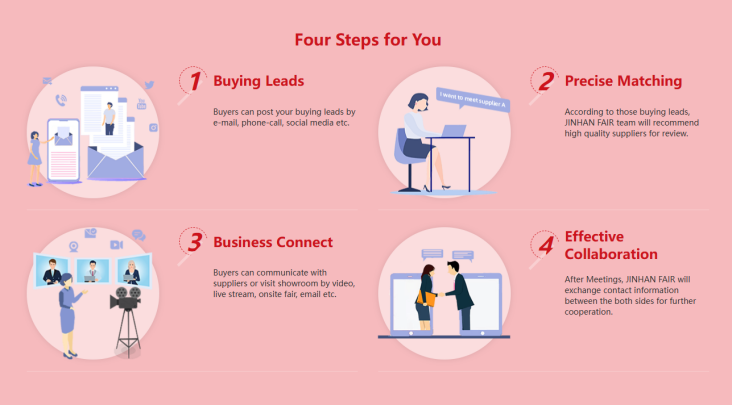
JINHAN FAIR Online extends sourcing beyond the physical fair, giving buyers year-round access to exhibitors, products, and digital sourcing services.
Buyers can explore exhibitors and products through pictures, videos, virtual reality, instant messaging, and live streaming. Source Matching, Online Meetings, and Virtual Visits also help buyers identify relevant suppliers and begin business discussions throughout the year.
💡Conclusion
For international buyers sourcing gifts & decor and garden & outdoor living products from China, a practical approach is to use online channels for broader market research and supplier screening, then turn to professional trade shows in China for product verification, supplier comparison, and in-depth discussions.
JINHAN FAIR supports this approach through its physical fair and online services, helping global buyers discover suppliers, arrange sourcing matches, evaluate products onsite, and continue business discussions online.
The 54th Jinhan Fair
Jinhan Fair Online Exhibition

Recommended
-
 PEPCO: Building Its European Retail Range Through China Sourcing
-
 What’s New at The 54th JINHAN FAIR:Color, Materials, Function and More
-
 D'SILY: A Chinese Manufacturer Bringing Home Décor and Gifts to the World
-
 Blomus: A Long-Standing Partnership Spanning More Than 20 Editions
-
 Evergreen Decor: More Than 20 Times at JINHAN FAIR and Still Bringing New Ideas


 Visitor Registration
 Booth Application