


What’s Next for Our Homes? The 14 Defining Interior Design Trends That Will Shape the Way We Live in 2026
2026.03.19


Opening Gemini in 3 seconds...
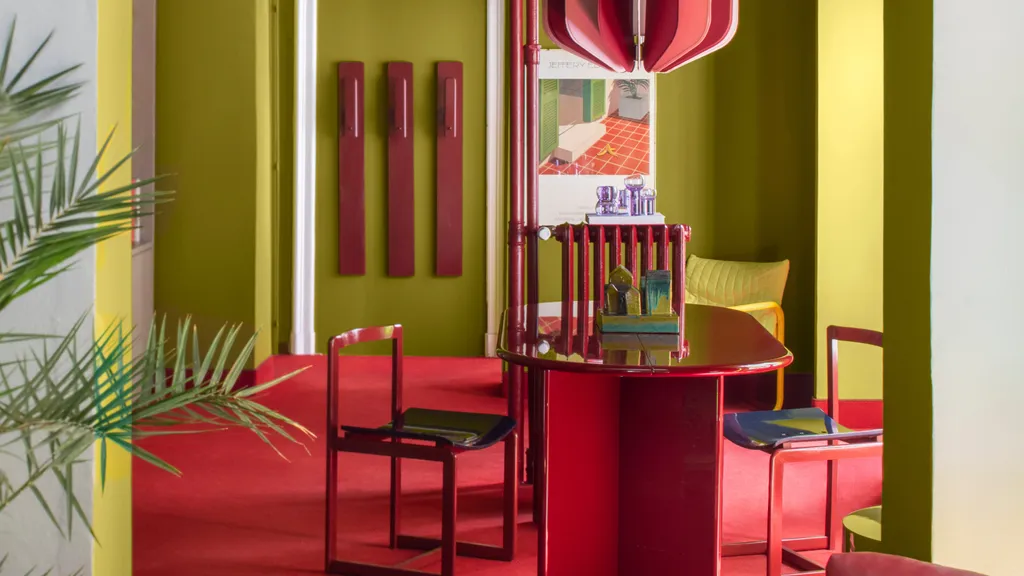
If you're skeptical of interior design trends and how much you should be following them, I want you to think of them this way. That Shaker kitchen cabinet, vintage sofa, and off-white wall color you'd say are 'timeless' — they're still, to some degree, a trend. Not every trend has the same shelf-life, for sure, but my edits of the interior design trends of the year are about curating an edit of how we want our homes to feel at any given time, often in relation to what's happening in the world outside.
2026 feels like a game of two halves to me. There's been an emergence of a more traditional aesthetic, a look back to classic style that goes beyond recent history. In itself, it's safe and a little conservative, but where it works brilliantly is in contrast to something more modern and sleek. Elsewhere, I feel like design trends are challenging the status quo and pursuing originality. Think color, pattern, and texture combinations you've probably never seen before — slightly jarring, but in the best possible way.
As the editor of Livingetc.com, I spend a lot of my time looking for patterns in what we're seeing out there — whether it's new launches, design weeks from around the world, or even what we're seeing emerge through platforms like social media.
I update this guide twice a year, and it was last updated in the autumn of 2025, looking forward to the year ahead. It's fair to say I stand by a lot of my predictions, but looking ahead to autumn and winter, I've shifted a few ideas towards the trends that have become the defining trends to consider for the rest of the year.
So, here's my edit of the 15 trends to have on your radar right now.
1. THE MOOD: ROMANTIC MINIMALISM
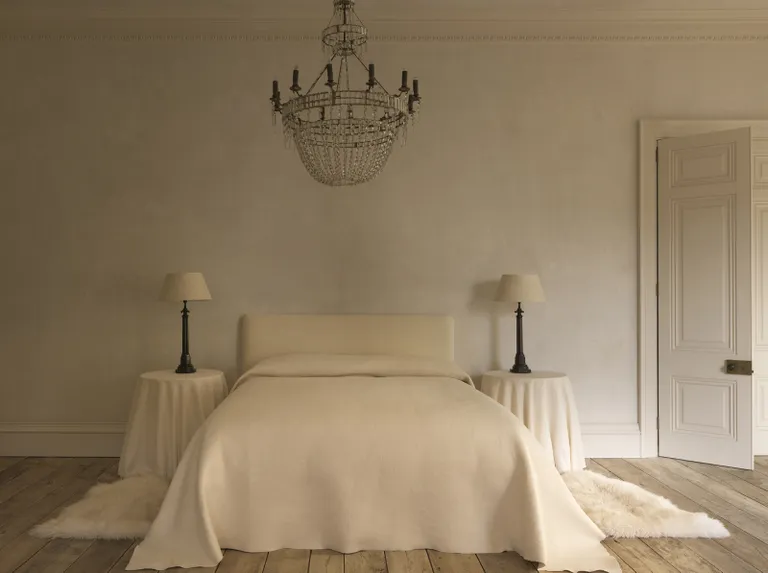
I've decided to talk about a different moment as a defining interior design trend in 2026, highlighting a new, evocative style I've noticed emerging. I'm calling it 'Romantic Minimalism' for its pairing of the poetic and the pared-back.
It's a type of minimalism that is restrained in color, texture, and pattern, but that introduces softness through dreamy fabrics and unexpectedly ornate contrasts. For the former, think valances and voiles, delicate lace and frills; for the latter, pretty florals and elegant flourishes. It's in the contrast that you balance the starkness of minimalism, and stop the romantic side from feeling too pretty that it turns twee.
2. THE COLOR TREND: CELERY
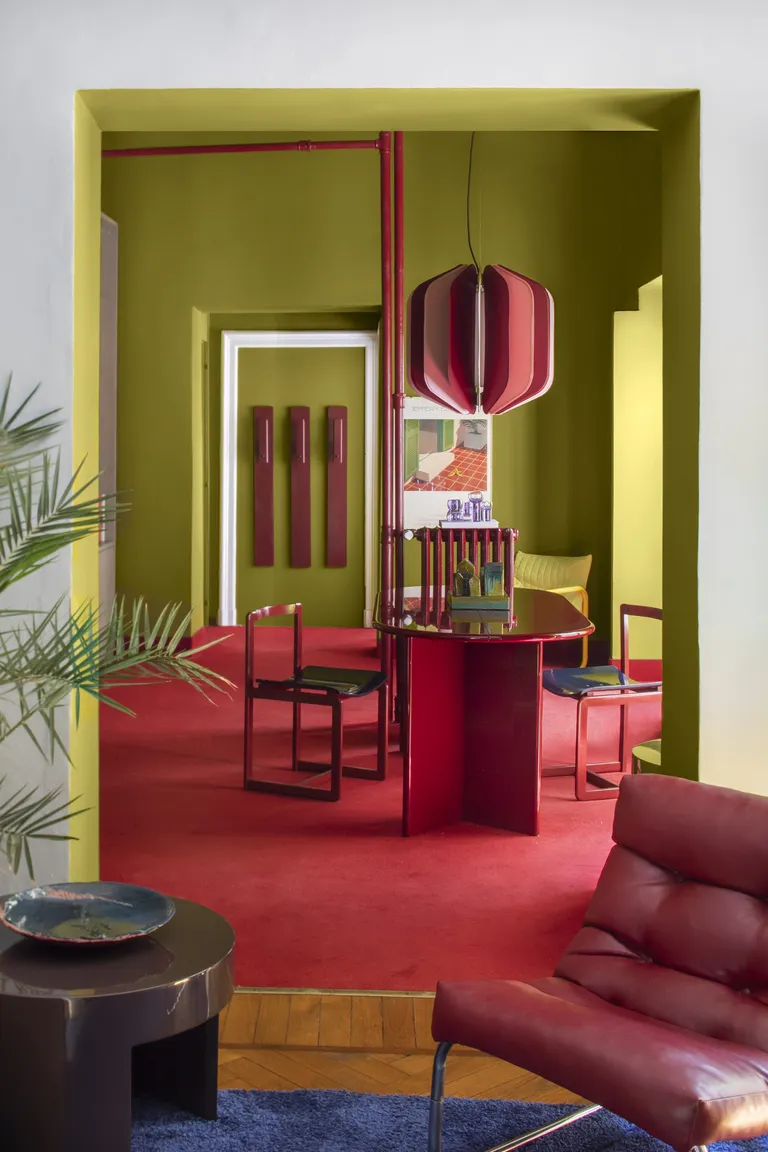
Livingetc's color trend forecaster Jane Boddy predicted a vibrant, 'sour' green would rise in interiors at the dawn of 2025, and now, in 2026, it's the defining accent I'm seeing everywhere. "This punchy citrus hue, underpinned by a tart yellow base, cuts through sweetness and adds a refreshing dynamism to modern environments," Jane told us.
Of course, I trust Jane's insight implicitly, but I was skeptical that the interior design trend would really embrace such a jolting color. However, it's become an easy shortcut to color palettes that 'friction-maxx'. In an age of AI complacency, friction-maxxing is an idea that we want a little challenge in our lives — and 2026's color palettes are all about that.
3. THE DECORATING TREND: TEXTURE CONTRAST
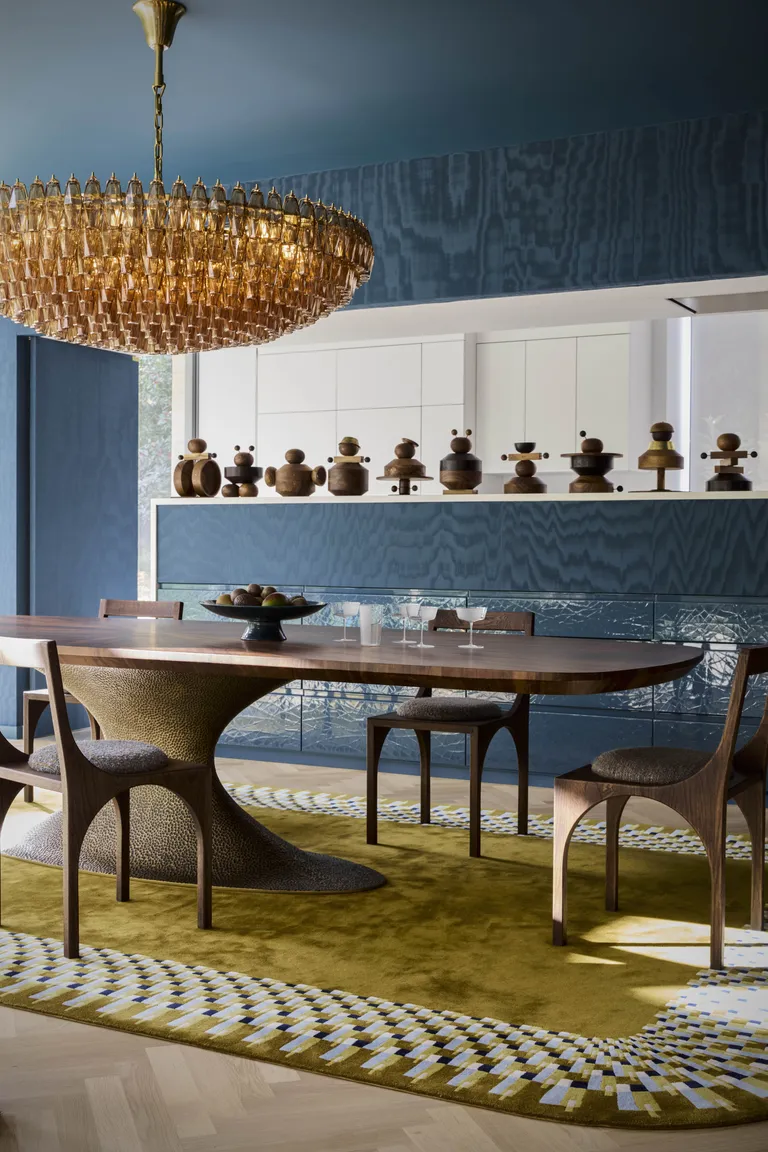
Just when I thought we'd turned a corner on color drenching as a concept, I've seen some particularly exciting variations of late that, rather than playing with tonal contrasts in the way the 'double drenching' trend did, plays with a variety of textural finishes.
A room like the above, designed by Victoria Maria, stops the one color concept from feeling flat by combining finishes — one matte, one glossy, one more tactile — for a room that feels harmonious still, but never one note. It feels like the freshest way to decorate with color in 2026.
4. THE ERA: MODERN MEDIEVAL

It's a big swing to say the era inspiring 2026's interior design trends is medieval, but stay with me. I see it as the antithesis of the pastel-drenched digital-inspired aesthetic (which has become even more controversial in the age of AI) and a longing for history and story. As interior designer Christiane Lemieux says, this sort of style appeals to "our collective yearning for escapism and nostalgia, particularly in the face of a hyper-digitized and transient culture."
It's fair to say that I'm using medieval as a catchall here (bar, perhaps, the chainmail decor trend, as a prime example of the idea), but it's manifesting itself in the dark wood finishes we've seen return, the epic storytelling wall tapestries, and the eccentric antique furniture — rarity is the new luxury commodity.
The materials of the trend feel 'heavy', think stone, wrought iron, weighty draping fabrics, defining themselves against mass-produced, flatpack furniture, and a reaction against surfaces that feel slick, but shallow.
5. THE KITCHEN TREND: OLD MEETS NEW
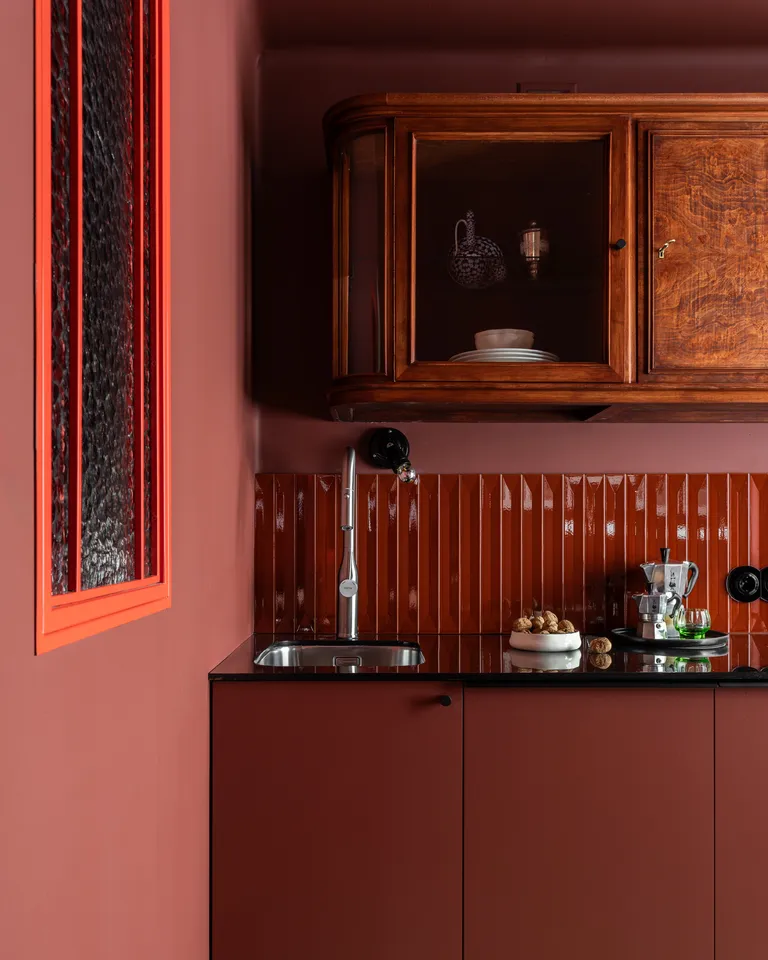
The 'modern heritage' kitchen trend is having a defining moment in design, combining new and old in a way that creates a new design distinct aesthetic. On the modern side, you'll see kitchen designs draw on the sleek and minimalist, or playful and innovative, while the heritage brings character and story. A kitchen like the above, by interior designer Natasha Strutovskaya, creates dynamism in the contrast between the two styles of cabinet.
Interior design studio Amor Immeuble has an interesting philosophy when it comes to combining old and new, skirting the need to feel fidelity to the heritage material over the modern. "We do not exclude the use of contemporary materials and techniques to rework 'old' materials. Heritage must evolve, be transformed without fear of anachronism, in order to remain alive and to be passed on. The question of formal balance comes afterward," the design studio explains.
It's less about deferring to heritage as the more important of the two, as it might feel obvious to do, but rather playing off the natural qualities of both.
6. THE BATHROOM TREND: BROKEN CHECK
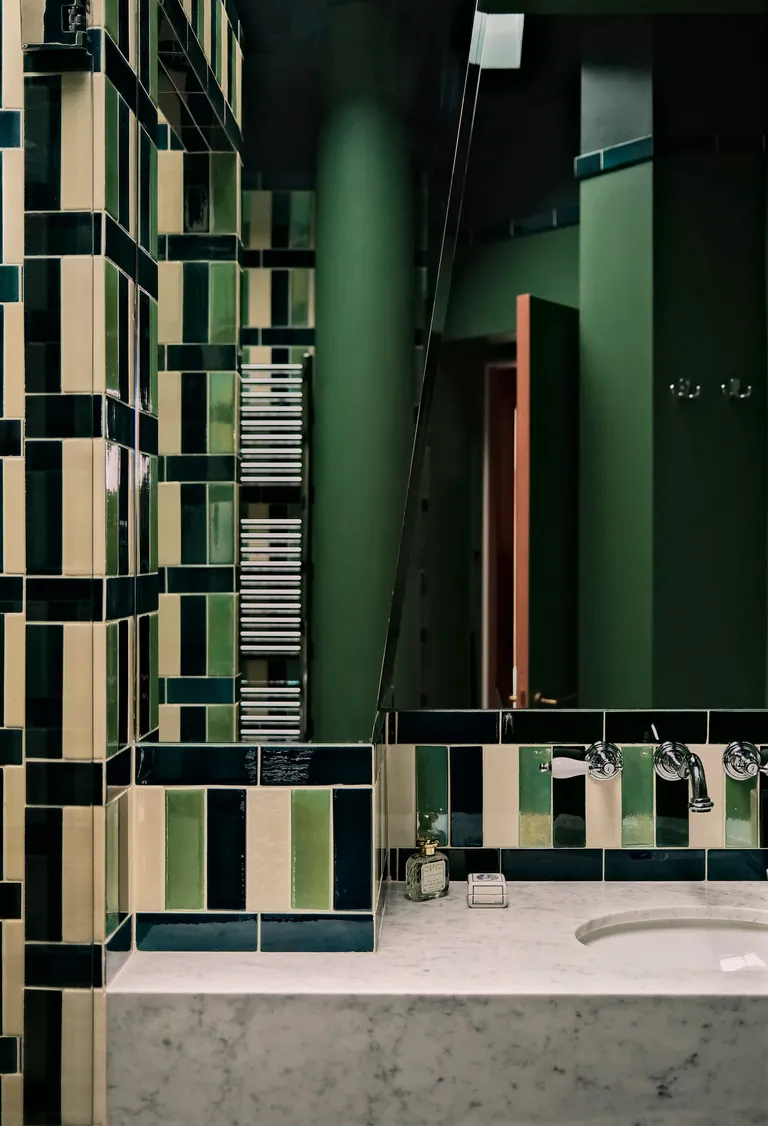
Instead of patterned tiles, designers are turning to creative layouts using different colors to create a pattern on a larger scale. In previous years, this manifested in creative checkerboard tile, but this bathroom trend has shifted onto more complex broken checks, such as in the bathroom above, designed by French interior design studio Hauvette Madani.
"These bathroom tiles are directly inspired by Italy, and more specifically by the Hotel Pelicano on the Tuscan coast," Lucas Madani, co-founder of Hauvette Madani, tells me. "We wanted to reinterpret this Italian atmosphere with ceramic tiles made in the Beaujolais region. The geometric patterns and mosaic in shades of green bring a soft elegance to the room, while giving it a strong and refined character."
And there's the rub. This type of mixed-up checkerboard feels softer and more nuanced than your basic geometric patterns, giving a more sophisticated sense of scale than a one-to-one tile mix.
7. THE FURNITURE TREND: LACQUER
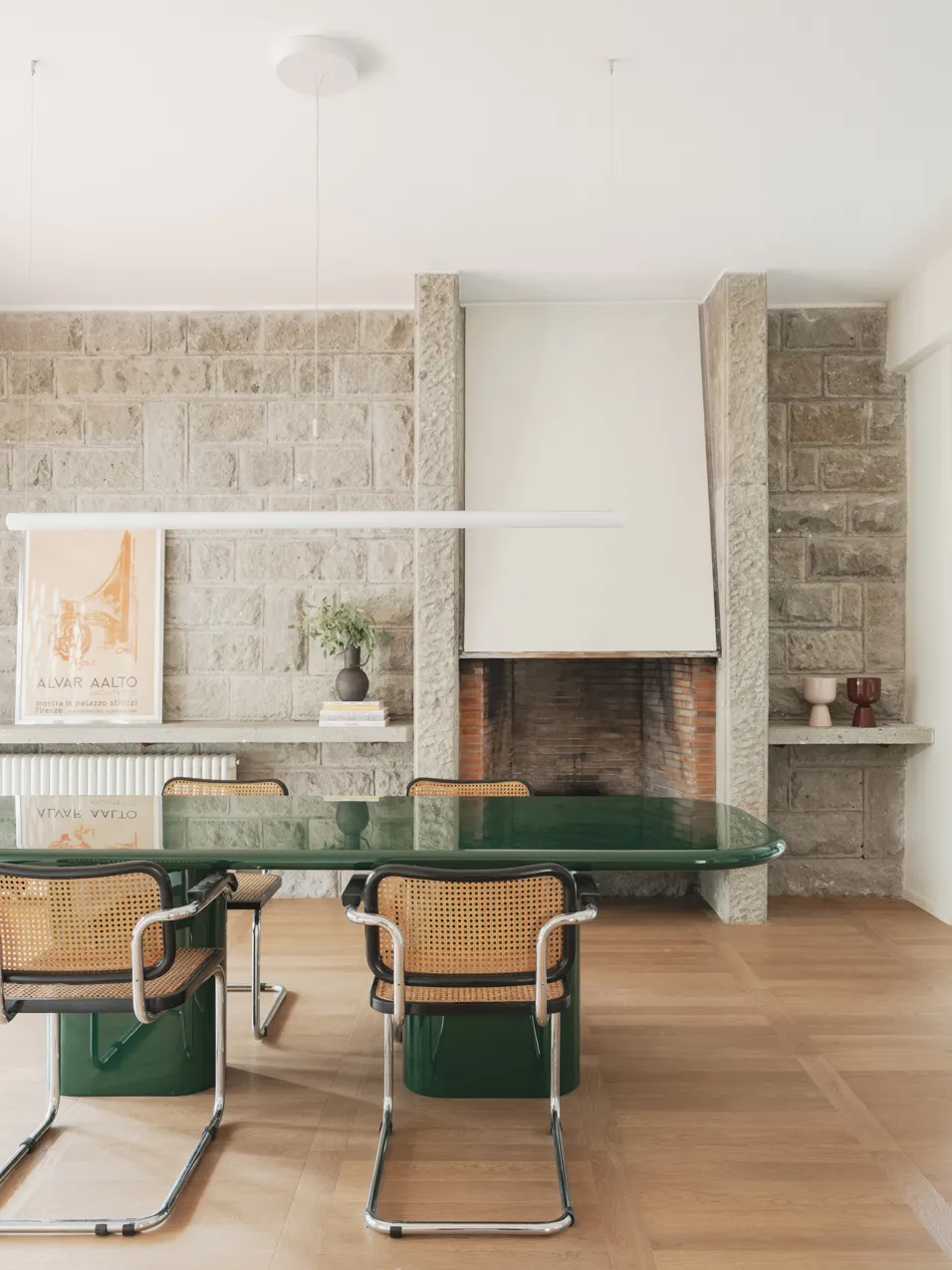
I predict that at Milan Design Week this year, lacquered finishes will be even more dominant than they were last year at the show. These glossy, somewhat synthetic-looking finishes are a departure from the trend for matte surfaces we've seen in interiors for years, especially when it comes to natural materials such as stone and wood. I saw it used for the back of sofas, dining tables, shelves, side tables — pretty much anything you can imagine, and as a brilliant vehicle for color.
The way the material allows access to almost unlimited color is part of the appeal to Claire Sá, director of architecture studio De Rosee Sa, but lacquer is also being celebrated for its sheen. "It adds another texture to the room," Claire says, "And when you place lacquer alongside wood grain, or linen, or velvet, or seagrass, it creates contrast."
And we're back to that word again. "Contrast is what allows the materials to be appreciated," Claire says. "A room full of lacquer would be overwhelming, just as a room full of brown wooden furniture can feel heavy, but when used thoughtfully, lacquer becomes a highlight and brings the composition to life."
8. THE LIGHTING TREND: LAVA LAMPS
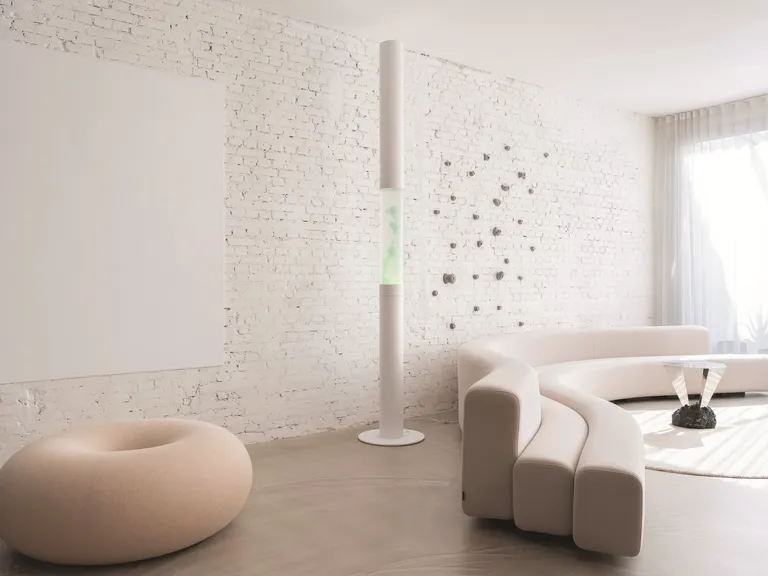
I'll be honest, we spend more time than necessary at Livingetc HQ talking about lava lamps, but it's not the lighting trend that I think everyone is going to truly consider for their homes. I had other options to talk about: namely, the use of interesting glass textures, and even the trend to more theatrical lighting integrated into the home, but there's something endlessly fascinating about the lava lamp.
It's at once nostalgic and futuristic; both a little 'brainrot' aesthetic fodder and the ultimate anti-doom scrolling decor to captivate your attention. Did you know that a wall of lava lamps is used to help encrypt the internet, as the lamps' true randomness is AI-proof?
The lava lamp is also transcending the 70s throwback/90s kids bedroom style for 2026, too. This new collaboration between iconic lava lamp brand Mathmos and designer Sabine Marcelis invites you to look at the style in a different way, while the Livingetc team is equally entranced by New York-based designer-maker Shae Studio, who offers a more lo-fi aesthetic take on the lighting idea.
9. THE FLOORING TREND: MOSAICS
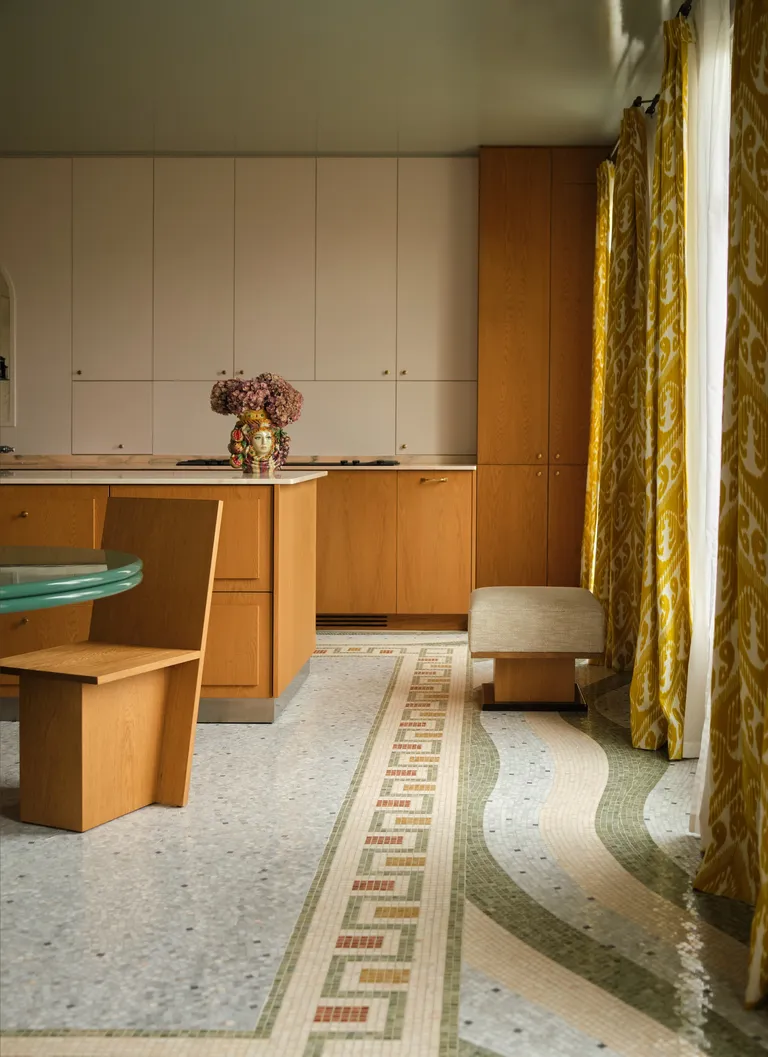
The rise of the heritage meets modern interior design trend can also be found in a flooring trend like the mosaic. These are the mosaic floors from history which, in an age of mass production and materials that look like something they're not, speak to our desire for craft and authenticity.
In the apartment, pictured, design studio Hauvette Madani plays on the contrast between modern and historic elements throughout, but nowhere more so than its floors. Though they look like they've been around for centuries, these mosaics are not original: they were custom-made for the occasion, in collaboration with mosaic artist Pierre Mesguich. "This dialogue between tradition and modernity is what fascinates us: the marble mosaic floors evoke classic Venetian craftsmanship, while the more contemporary lines and modern materials of the interior design create a subtle and elegant balance," Lucas Madani says.
However, more than that, I'd say that the mosaic floor appeals to that idea of storytelling we want to create in our homes. Mosaic floors allow for the use of intricate patterns, color, and texture, yes, but they can also create a narrative, like a piece of art on your floors. And that's before you get to ideas such as the 'Unswept Floor', a Roman artifact that had an unexpected revival in the collective consciousness this last year.
10. THE WALLPAPER TREND: MOIRÉ
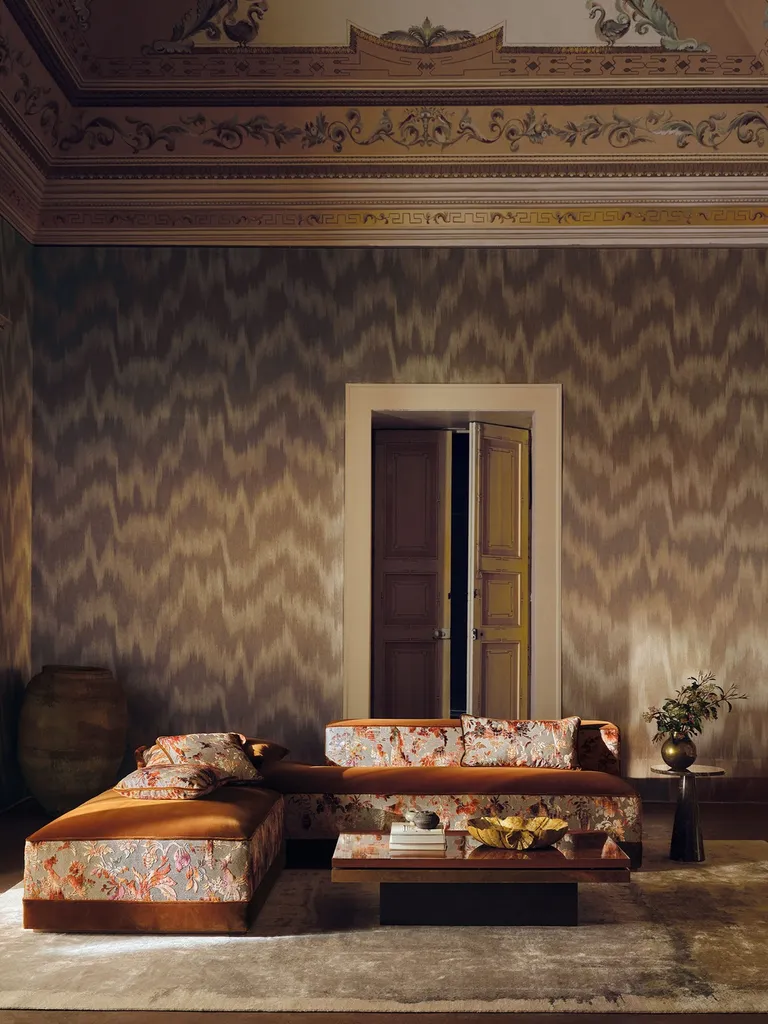
I've focused on murals for wallpaper trends for the past few years; however, I can't ignore moiré's continuing impact on design in 2026.
For the uninitiated, ",oiré fabric is a beautiful textile with a distinctive, water-like pattern," design director of Atelier Karasinski, Laura Karasinski tells us, "almost as if silk and rippling light had a conversation. It’s created through a finishing process that gives the surface a shimmery, wavy effect, quite subtle yet undeniably elegant."
It's also a design you'll see as a fabric trend, but whatever its use, it combines an expressive creativity with that sense of history we're coveting — it's some 400 years old, after all. "As an organic, free-flowing pattern, moiré introduces movement into interior spaces without overwhelming them," Emily Mould, director of design at the Romo Group, describes. "It adds a sense of understated drama and sits perfectly at the intersection of modern and traditional, allowing for maximalist detailing in a more refined way."
11. THE BIG IDEA: HYPER-CUSTOMIZATION
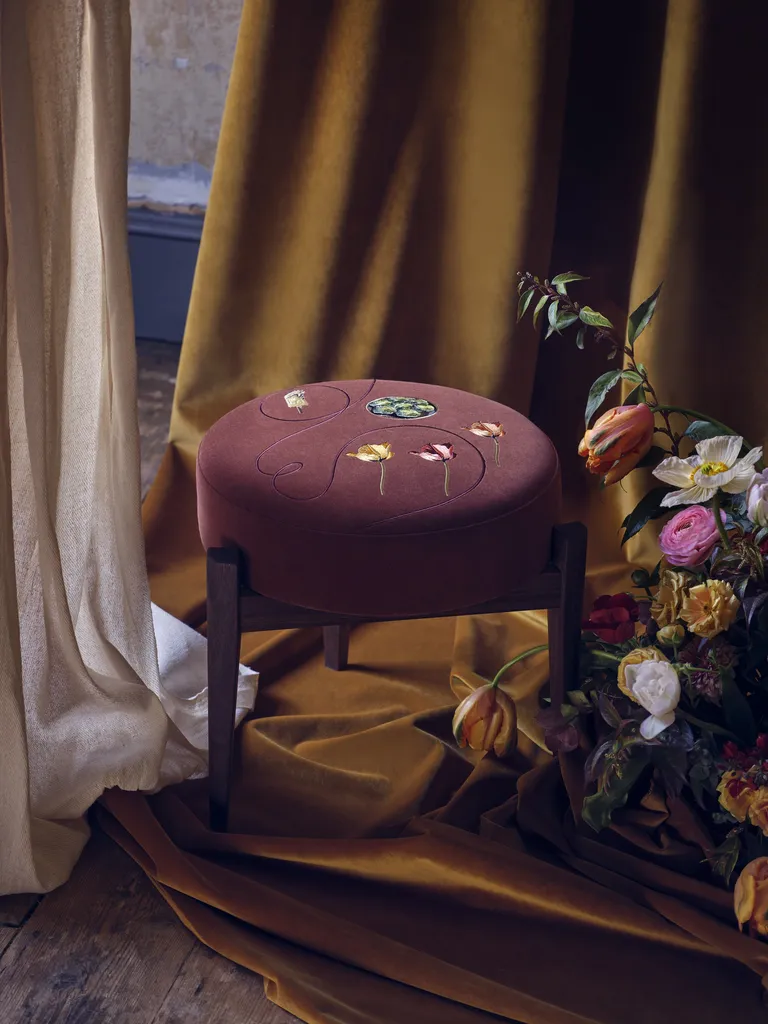
I've been asking myself the same question again and again over the course of the last year: why are we drawing on things? It's the idea of hyper-customization as an interior design trend. It's not just that you're commissioning a piece of furniture to order, but that this piece of furniture wouldn't make sense for anyone else to own because it tells your story, specifically.
I've seen the idea play out in everything from embroidered sofas to bespoke Delft tiles depicting personal histories, and it's something that designer Kara Douwma, founder of Uncommon Ancestors, captures in her work, embroidering iconography onto footstools for conversation-starting accent furniture. "For me, customization is the ultimate form of self-expression," Kara tells me. "It gives people the opportunity to create a unique piece of furniture that reflects their own ideas and creativity."
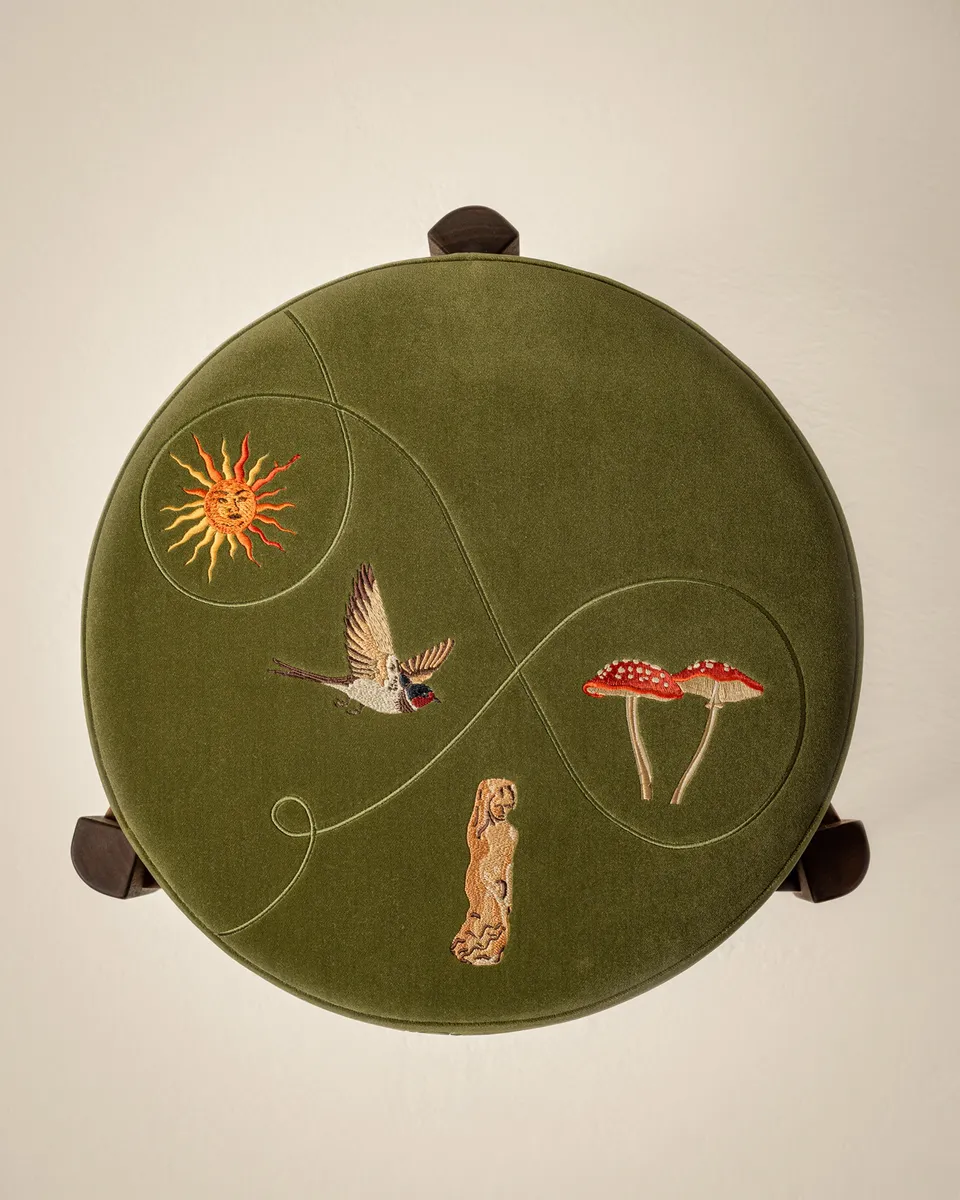
These motifs can be everything from a favorite flower to something more obscure, but the aesthetic lends itself to the eclecticism in the extreme. In Kara's work, a melting ice lolly might sit next to a plate of fish or some tennis balls. "I believe that the stories come first and all the objects will look beautiful once embroidered," Kara says. "I’m currently working on a really fun piece for a client in California that’s a mixture of her favorite things with hidden Easter eggs stitched within the objects," Kara tells me. "I love making designs super personal. A house number or favorite book cover — the more I get to know the client, the more creative we can be."
It's, perhaps, the most overt act of storytelling within our list of interior design trends for 2026, but it also draws on other recurring themes — including both craft and historical references. "I’m really influenced by our rich history of symbolism and iconography," Kara says. "How the Renaissance artists used pomegranates for rebirth, whilst Vanitas depicted candles for mortality. Rococo’s shells evoked romance, while the Symbolists moved away from nature to embrace mythology. I wanted to add my own more whimsical take on this."
12. THE TEXTILE TREND: LEATHER AND HIDE
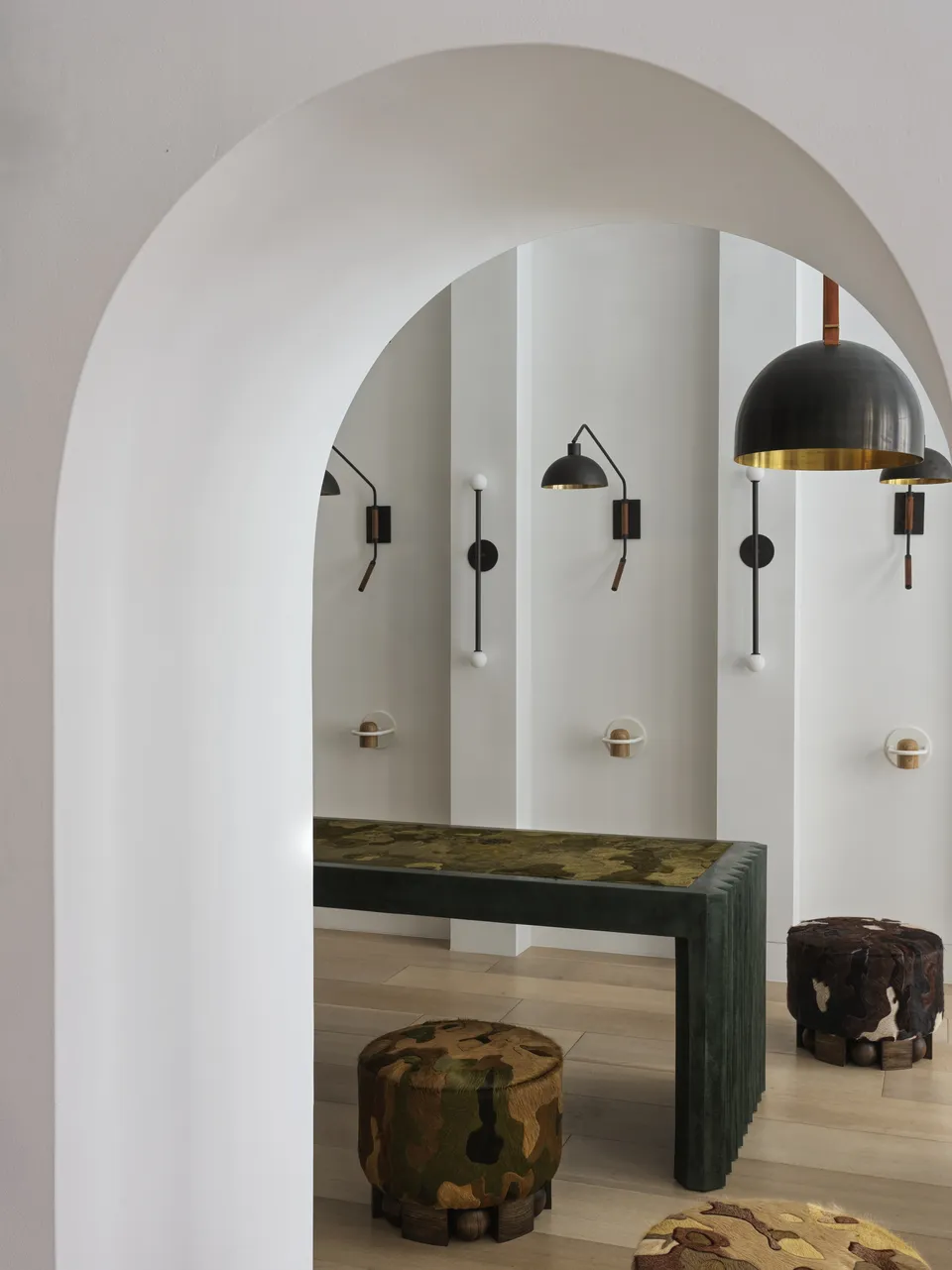
I can't quite find a way to prove it, but I get the sense that squeamishness around using animal products in design seems to have lifted — for better or worse, depending on your position. And, it's not just that, but traditional faux alternatives have been more widely ostracized for being poor imitators and made from non-eco-friendly plastics.
For Austin Carrier and Alex Mutter-Rottmayer, founders of design studio and shop Hommeboys, the versatility and authenticity are part of the selling point of these materials. "There are seemingly endless options with leathers and hides in terms of texture and color," the designers tell me. "All of our designs are rooted in materiality, and working with leathers and hair-on-hide allows us to add texture and dimension to a room, while maintaining clean lines often lost with softer upholstery fabrics."
That's not to say that alternatives are off the table, however, and we're innovating some vegan-friendly, sustainable materials that offer those same qualities. "We don't work with faux versions of leather in the traditional sense, but we are super interested in and inspired by true innovation within the material, like the work being done by Mycoworks with Reishi mushroom leather," Austin and Alex explain. "From both an aesthetic and sustainability perspective, we always lean toward organic materials within our designs, so it's exciting to see truly viable options like these start to come to market."
13. THE SOFA TREND: FRINGE
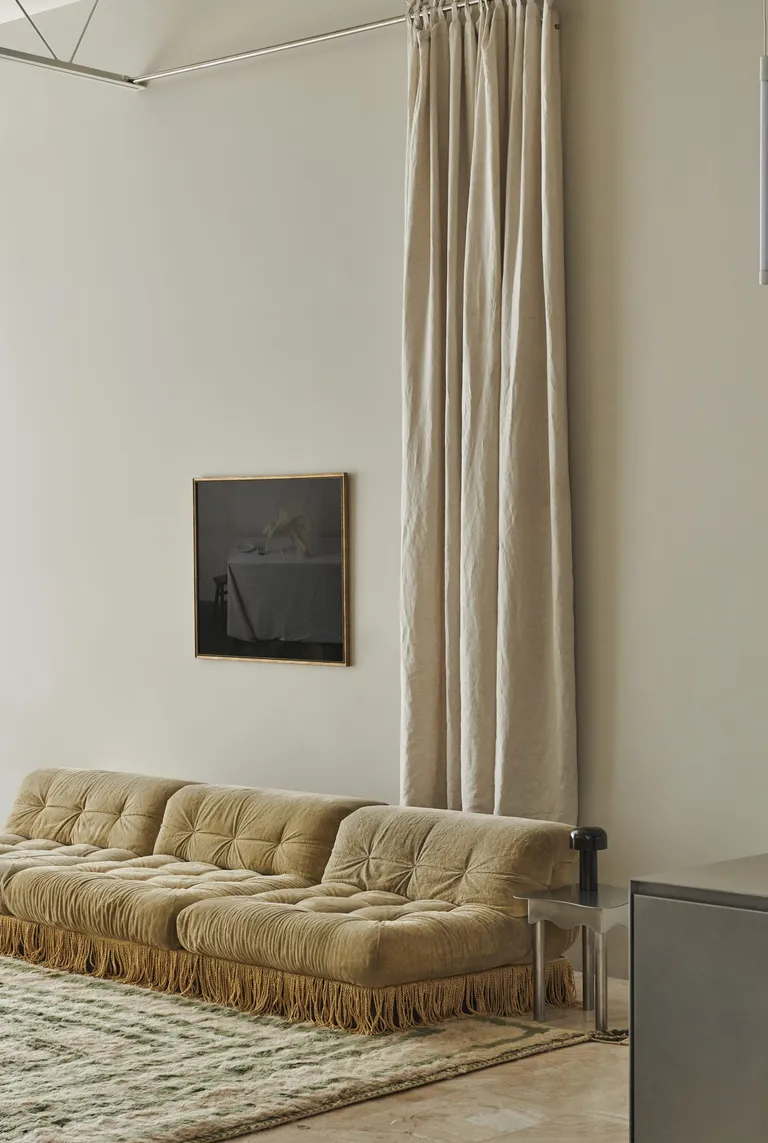
In the spirit of theatricality, sofas with a final flourish of passementerie are the designs capturing the mood of 2026. It's a design style often seen in more traditional settings or spaces channeling the revelrous 70s aesthetic, but in 2026, it's an addition that can be more of a contrast, attached to more minimalist, more casual sofa designs.
For the Australian designer Amelda Wilde, restraint can mix with romance for this sofa trend. “Fringing allows surprise, novelty, and experimentation, and this period detailing can be enchanting when used in subtle doses,” she says. “It’s all about contrasting texture, volume, and references, and being less uniform in your design choices.”
14. THE CHAIR TREND: 'UNCOMFORTABLE' DESIGNS
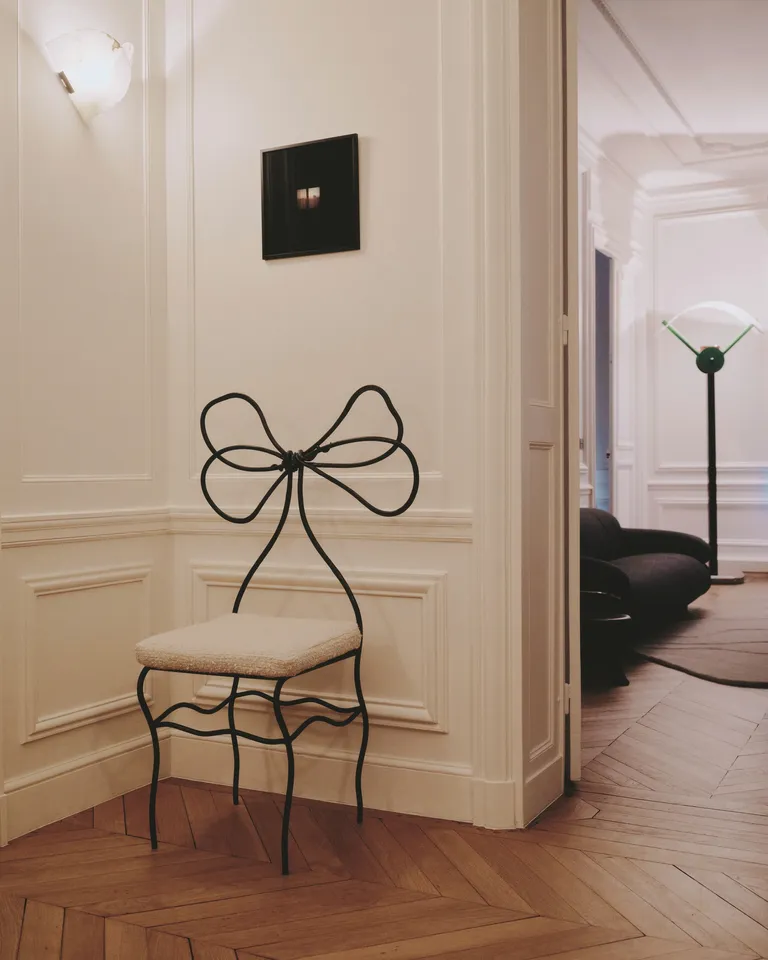
Rather than a particular style of chair being a huge design trend in 2026, we're thinking of the chair as a moment. With all our talk of contrast in this trend report, we're not looking for chairs that blend into the backdrop — and we're a little bit less concerned with how comfortable they are.
"I think of chairs as an expression, an accent point, something that can be a focus or a way to draw the eye," says interior designer Anahita Rigby. "There is a real beauty in a chair when it's dysfunctional, in that it's not really made to be sat on, and instead has a sculptural form that has been perhaps designed with rigour by an architect."
"I'm obviously not talking about every seat in a space being uninviting to sit on," the designer adds, "but every home needs at least one uncomfortable chair to elevate it, make it seem more refined."
It's a collar flick moment for your room, so be bold and expressive with your choice.
15. THE METALLIC TREND: SANDED STAINLESS
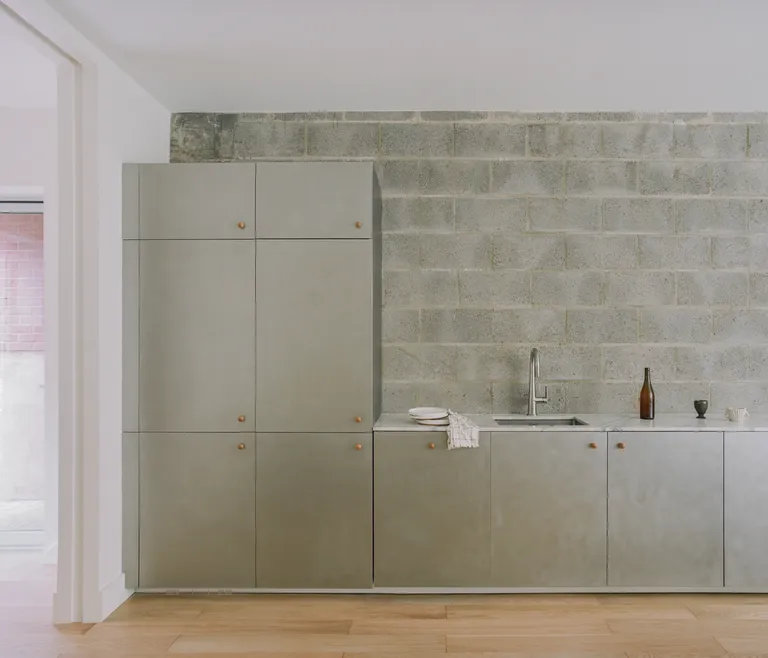
Stainless steel and chrome decor were huge in 2025, however, we're seeing a new evolution of this material start to break through, and it's something I'm expecting to be a defining finish next year.
At London Design Festival last year, I got hands-on with the work of Six Dots Design — a modern design brand I'd seen all across my For You page, known for its textured steel furniture and accessories. What I discovered, when I could finally touch these pieces, is that it's as important to be tactile with this material as it is to value it for its striking good looks. Each application had a different sensation, and it varied greatly from what you expect in touching standard stainless steel.
Flawk Studio is another design studio innovating with the material. "For me, I love the materiality of stainless steel; very durable, water resistant, easily accessible, and reasonably affordable. Incorporating both stainless steel and wood tones harmonizes a space with a contemporary feel," Ashley Lab, director of Flawk Studio, tells me. Flawk's take on stainless steel uses a directional brushed finish that makes the metal much more textured, rather than sleek and shiny.
It's a design concept, but also a practical idea, too. "We've sampled various coatings to come to one that effortlessly prevents fingerprints, making the material much more viable for interior design, especially for high-touch zones like stainless steel kitchens," Ashley explains.
On reflection, as we move into 2026, interior design trends feel more personal and more expressive. More than just shallow aesthetics, these trends reflect individuality and lived experience, about authenticity and our humanity.
The new luxury isn’t about excess; it’s about intention. Whether through the quiet confidence of natural materials, the warmth of heritage influences, or the play of bold color and form, this year’s trends speak to how we want to live now: with comfort, creativity, and a sense of connection.
About JINHAN FAIR
JINHAN FAIR for Home & Gifts(Poly Spring/Autumn Fair Phase Ⅱ) is a leading international trade platform organized by Poly Exhibition. Established in 2000, JINHAN FAIR has been successfully held for 53 editions and is recognized as one of China's most established sourcing fairs for the home and gifts industry. JINHAN FAIR is also the only Union of international Fairs-approved export trade fair in the home & gifts sector in China.
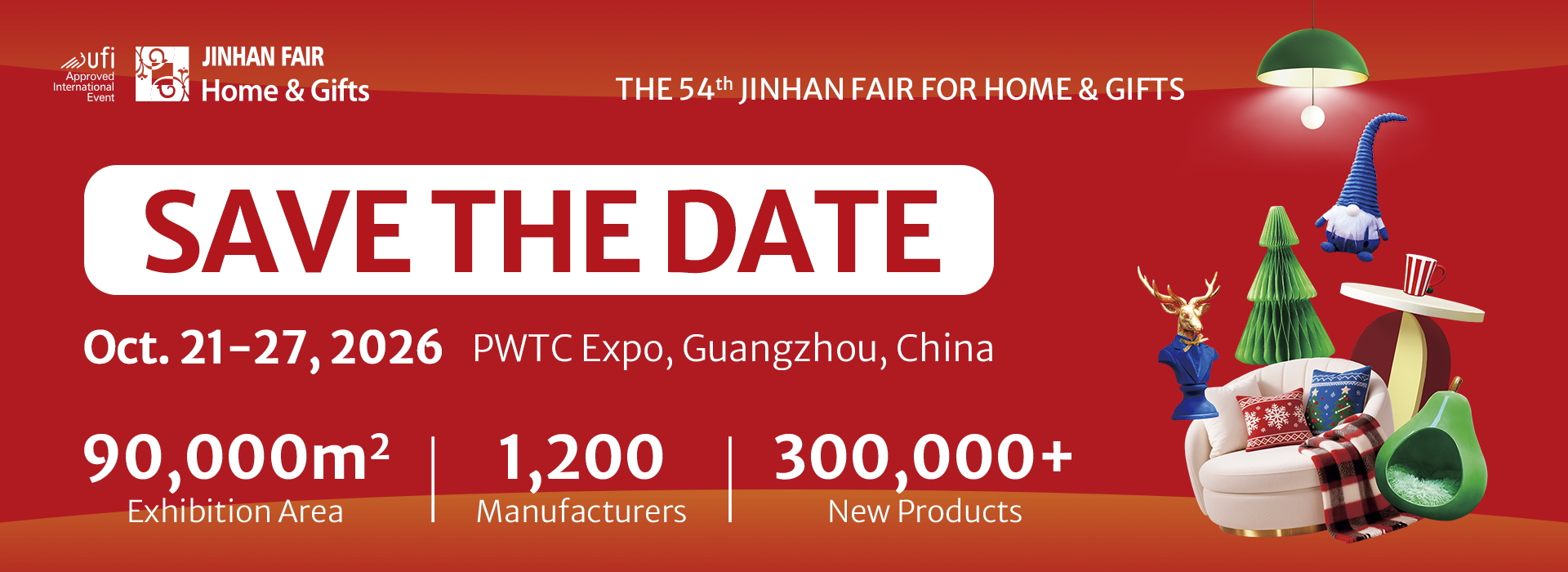
The 54th Jinhan Fair
Jinhan Fair Online Exhibition

Recommended
-
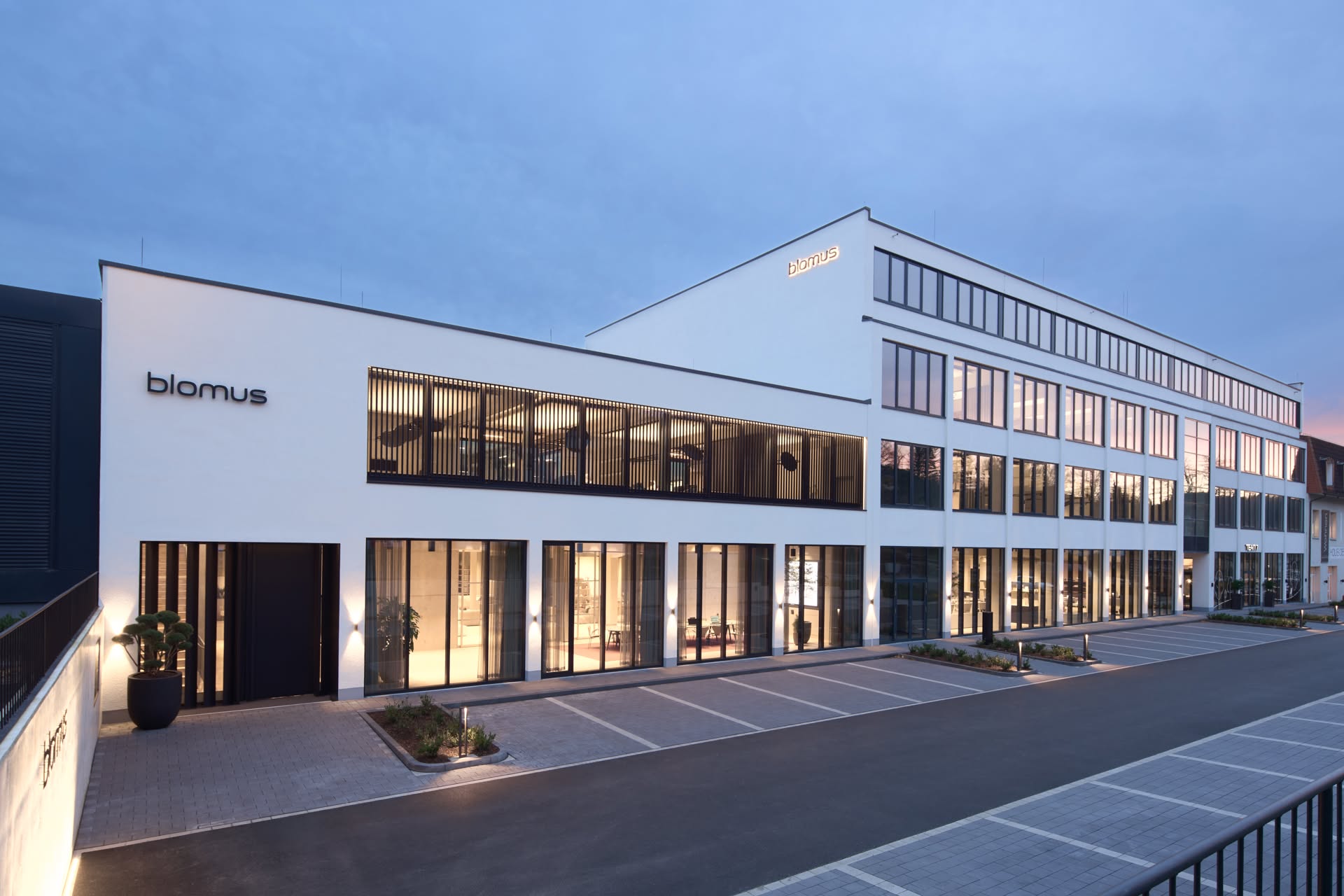 Blomus: A Long-Standing Partnership Spanning More Than 20 Editions
-
 Evergreen Decor: More Than 20 Times at JINHAN FAIR and Still Bringing New Ideas
-
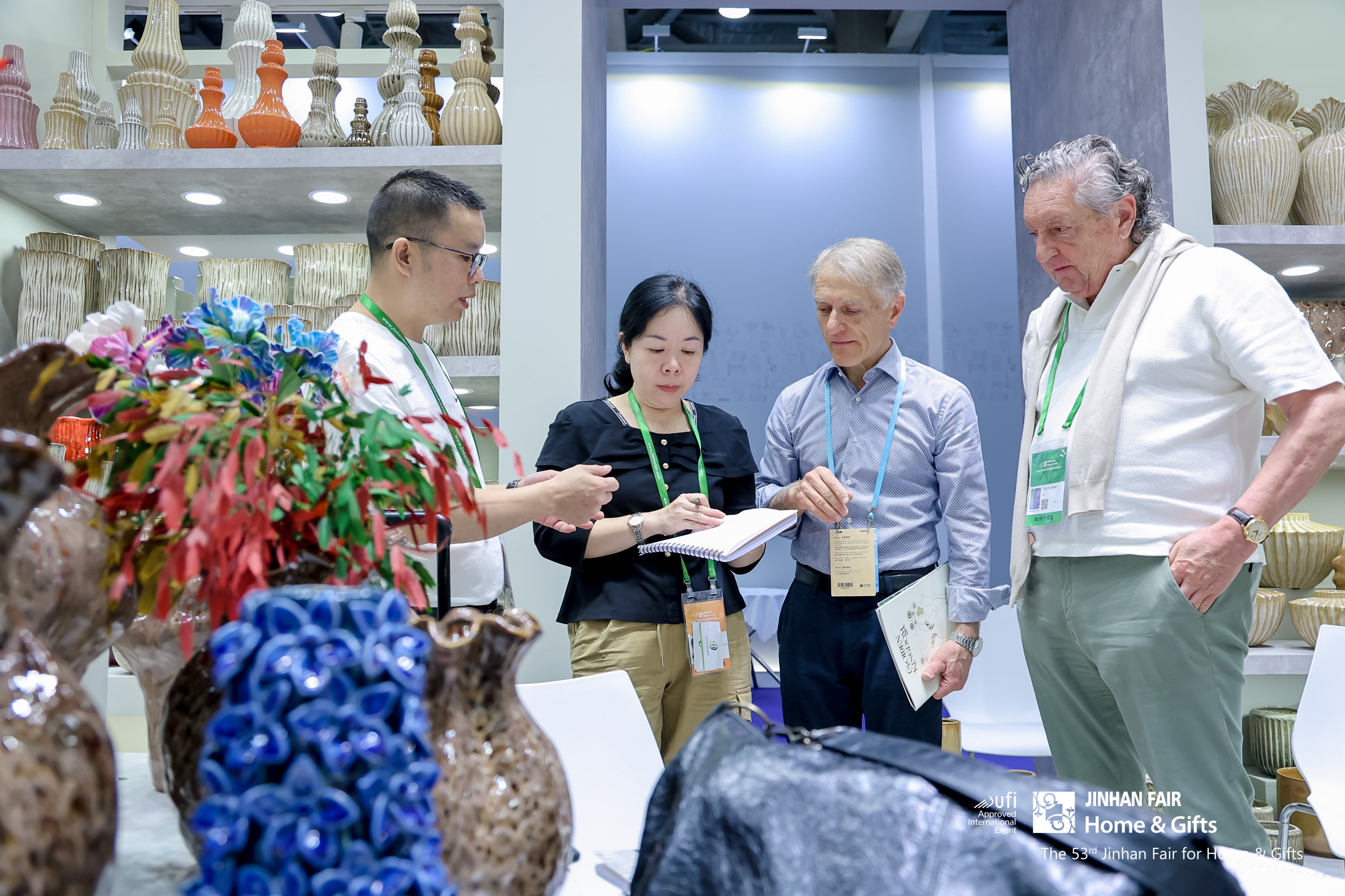 Running Decora: A Mexican Home Décor Importer with More Than 25 Visits to JINHAN FAIR
-
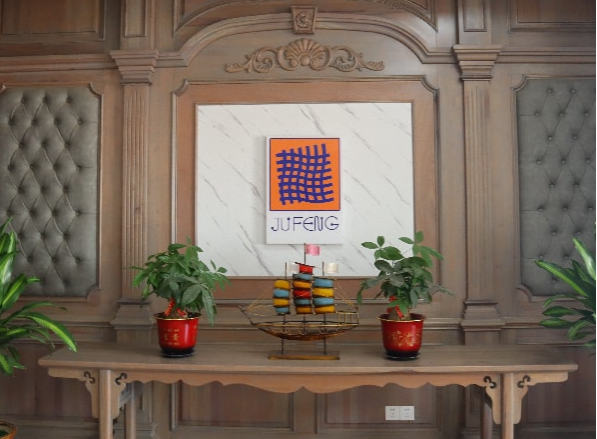 Fujian Anxi JUFENG : Bringing Anxi Rattan-Iron Craftsmanship to Global Home Décor Markets
-
 Two’s Company: A Major U.S. Home & Gift Wholesaler with 50+ Visits to JINHAN FAIR


 Visitor Registration
 Booth Application